
What is the best family health insurance in 2026?
Family health insurance in the UK gives you prompt access to private healthcare for a range of conditions. There are lots of excellent products, but also pitfalls that can prove costly. This guide draws on our many years of experience to help you find the best family health insurance for you and your loved ones.




Richard Eagling is the Senior Editor at myTribe, with 25+ years in personal finance journalism and a CII Certificate in Financial Services. Previously at Moneyfacts and NerdWallet UK, his work has featured in The Guardian, BBC and The Telegraph.
Full BioWhat you need to know before buying family health insurance
Before you buy family health insurance, these four things are worth knowing:
- Not all insurers keep children's claims separate from adult premiums, which can cost you at renewal
- Mental health cover varies widely; most insurers can stop paying for treatment if a condition becomes long-term
- No claims discount structures differ; the most protective limit the impact of smaller claims
- Bupa, The Exeter, WPA, Aviva and AXA Health are all top family health insurance picks for 2026.
Compare quotes and speak to a broker before you buy - there's a lot that can catch you out.
Family health insurance is not a separate product. If you go to Bupa, you'll likely purchase a Bupa By You plan, with WPA it's Complete Health, The Exeter is Health+ and Aviva, Healthier Solutions. These are all the exact same products sold to everyone from young adult singletons through to retirees. The difference is you're a family, and your needs, priorities and health risks are likely very different.
What matters to you as a parent will also depend on your children's ages. For my wife and me, our seven and four-year-olds are some way away from being allowed anywhere near social media and as such, we opted not to include mental health cover for now as part of our private health insurance. That said, as ours head into their teens, it may be something we look to add.
The best family health insurance depends on your family's circumstances, and while we'll do our best to show the strengths, weaknesses and pitfalls of plans, we strongly recommend you compare quotes and get some advice from a broker before you buy.
Most private health insurance plans will cover treatment in private hospitals, with most comprehensive policies also covering diagnostic tests, and consultations.
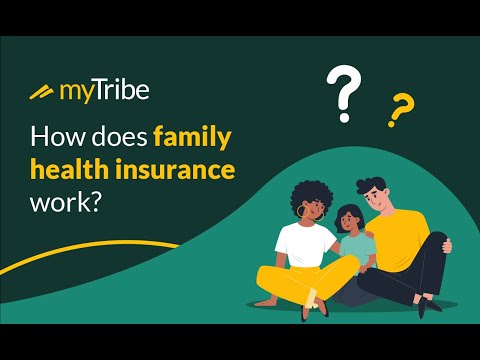
Most families benefit from a single private health insurance policy. Insurers usually require the main policyholder to be over 18, family discounts are common, and a single policy means less admin at renewal.
That said, there are occasions when it makes sense to split the family, with one adult with one insurer and the other adult and children with a second. This tends to happen after you've had a policy for several years, and one adult has claimed for something which makes moving hard, but the rest of the family could get better cover or a reduced price elsewhere.

The best family health insurance depends on your personal circumstances. Our guide to the best health insurance providers in the UK in 2026 rates and compares every major insurer. These are the top five health insurance plans for families based on our assessment of the quality of the product and how family friendly it is:
1. Bupa
Bupa By You Comprehensive was our highest-rated health insurance policy and one of only three to receive a five-star rating. It scored 96% in our Family Friendliness assessment. Here's why it tops the list:
Family friendly features
- Market-leading mental health cover, including ongoing conditions
- Children's claims don't affect adults' premiums
- Children automatically qualify for the Health and Lifestyle discount
- 10% family discount, and all children covered for the price of one
- Virtual and face-to-face private GP consultations
- Family mental health line, available even if the child isn't covered
- Dental allowance for the whole family
Not so family friendly
- Outpatient allowances can be set per member, but multiple treatment types share the same pot. A set allowance may run out faster than with other insurers.
- So much is included as standard that there's less flexibility to reduce premiums by stripping back cover on individual members.
2. The Exeter

The Exeter's Health+ received a five-star rating in our 2026 health insurance ratings. It scored 94% for Family Friendliness - the second highest on this list, up from third in our overall ratings.
Here's why it stands out for families:
Family friendly features
- The most protective no claims discount - smaller claims won't have as much effect on your discount
- Children's claims don't affect adults' premiums
- Up to 10% family discount (5% for couples)
- Unlimited parental accommodation when a child under 18 is admitted to hospital
- Flexible policy - each family member's cover can be tailored independently
- Choice between guided consultants and a traditional hospital list
- Very generous NHS cashback if you opt for NHS treatment instead
Not so family friendly
- Limited self-referral pathways - most treatments need a GP or The Exeter's virtual GP referral first
- No option to add cover for routine dental or optical appointments
- Only a 10% discount, there are no free child discounts
3. WPA

WPA's Complete Health received a five-star rating and came second in our overall 2026 ratings. It scored 91% for Family Friendliness. The Exeter edges ahead on family-specific benefits, which is why WPA sits third here. Here's why it's still an excellent choice:
Family friendly features
- Outstanding customer service, the highest rated health insurer on Trustpilot
- The most flexible health insurance - each family member’s cover can be precisely tailored
- Children's claims don't affect adults' premiums
- Up to 10% family discount (5% for couples)
- Fast Track self-referral pathways for cancer, physio and skin concerns
- Specialist Fee Agreed scheme - reduces the risk of paying part of a specialist's bill yourself
- Each family member can have a different excess or Shared Responsibility
Not so family friendly
- Limited parental accommodation while a child is in hospital (10 nights per policy year)
- More complicated product due to the cover option flexibility
- Under 18s can only have their Mental Health Treatment Optional Extras if an adult adds them
- Full medical underwriting means disclosing immediate family members' medical conditions, even if they aren't on the policy
4. Aviva
Aviva's Healthier Solutions received a 4.5-star rating and came fifth in our overall 2026 ratings. It scored 90% for Family Friendliness, jumping up a spot here. Here's why it stands out for families:
Family friendly features
- Only the eldest child is charged, for children aged 20 and under
- Individual no claims discounts - children's claims can't affect adults' premiums
- Highly configurable policy - extend or reduce cover per member to control premiums
- Unlimited outpatient cover as standard, with the option to remove it
- Up to two GP-referred speech therapy sessions for children
- £100 baby bonus per baby
Not so family friendly
- Aviva classifies a mental health condition as chronic if claimed in three policy years, and withdraws cover
- Parental accommodation is only available for children under 15, which is lower than that of others
- Claims over £250 drop you three levels on Aviva's NCD scale, harsher than the other top family insurers
5. AXA Health

The AXA Health Plan received a 4.5-star rating in our 2026 health insurance ratings. It scored 83% for Family Friendliness. Its unique feature is that you can cover up to eight family members across multiple generations on a single policy. Here's why it stands out for families:
Family friendly features
- Up to eight family members across multiple generations on one policy, each with their own building blocks
- Parental accommodation is paid in full when a child is receiving treatment
- Up to six speech therapy sessions for children 14 and under with developmental delay, with no impact on your NCD
- Corrective surgery for children 14 and under, including pinnaplasty and port-wine stain laser treatment
- Shorter three-year moratorium - may mean fewer pre-existing condition exclusions when you join
- Self-referred physiotherapy or osteopathy, up to 10 sessions without a GP referral
Not so family friendly
- No family discount, unlike all four insurers ranked above
- Unclear whether children's claims could affect adults' premiums, as AXA says its NCD may or may not be shared
- Won't cover cancers experienced at any time in the past, even if resolved decades ago
- The three-year moratorium has further caveats around diabetes, mental health and raised PSA results
- Only available directly for now - no independent broker advice before purchasing
We've read, reviewed and compared the UK's leading family health insurance policies in detail. These six questions will help you sidestep the pitfalls that catch families out.
How easily can you and your family access private treatment?
How easily your family can access private treatment depends on the insurer's pathways; some require a GP referral first, while others let you self-refer for muscle and joint problems, mental health and even cancer. Also check what GP access comes with the policy and how real customers rate the claims experience.
Speed matters: there are currently over 700,000 under-18s on the NHS elective waiting list in England, and children waiting to see a community paediatrician face an average wait of 205 days, nearly seven months, up 53% in two years. Some policies include face-to-face private GP appointments at no extra cost, others only digital consultations, and only some virtual GPs can refer you straight to a specialist. On claims, Trustpilot reviews show how insurers perform in practice; WPA is the highest rated health insurer there, and our 2026 health insurance ratings compare every major provider.
Will your child's claim push your premiums up too?
On some family health insurance plans, yes, a child's claim can push up the adults' premiums at renewal, and because adults pay far more than children, the same percentage rise costs far more. Choose a plan that sets each person's renewal premium individually, so one child's claims can't inflate the whole family's bill.
An adult in their 40s pays around £75 to £80 per month for comprehensive cover, while a ten-year-old adds just £10 to £15. Using purely illustrative figures, a 30% rise after a child's claim takes a £10 premium to £13, but if it also hits a £75 adult premium, that becomes £97.50; £3 extra in the first case, £22.50 in the second, with one child and one adult on the plan. Bupa, The Exeter, WPA and Aviva all keep children's claims separate from adult premiums; AXA Health doesn't make clear whether its no claims discount is shared.
Read more: How claims impact health insurance renewal premiums
What mental health cover and support is on offer?
All of the UK's leading family health insurers offer mental health cover, but most charge extra and levels vary dramatically; only Bupa, Aviva and Saga include it as standard. Crucially, every insurer except Bupa can reclassify a long-term or recurring condition as chronic and stop paying, just when your family needs the cover again.
One in five children aged 8 to 16 in England has a probable mental disorder, up from one in almost eight in 2017, over a third referred to specialist services have their referrals closed before treatment, and around 75% of adult mental health conditions first emerge in adolescence.
WPA, AXA Health, The Exeter, Freedom, General & Medical and Vitality charge extra for it, while Aviva includes it but lets you remove it. Stress-test any policy: if your child gets help for anxiety now, would the insurer still pay if it's classed as a "chronic condition" and returns in year three? On mental health, myTribe believes Bupa's cover is ahead of the market.
How flexible is the family medical insurance?
Family medical insurance can usually be tailored person by person. Children add relatively little to the premium, so give them the fullest cover you can and control costs on the adults instead, for example with an annual outpatient cover limit, or by removing mental health cover (except with Bupa and Saga, where it's standard).
WPA is the most configurable, with separate allowances for consultations, diagnostics, therapies and mental health, and even excess levels can differ per family member. The Exeter, AXA Health, Aviva and Vitality are all highly flexible, while Bupa's combined outpatient pot gives you less control over how your allowance is split.
Will it be affordable for years to come?
Whether family health insurance stays affordable comes down to how the insurer calculates renewal premiums and how claims affect them, which matters more than first-year health insurance discounts. Look for a clear, documented no claims discount that keeps each family member's record separate and stops one year of claims wiping out years of built-up discount.
The Exeter, Bupa and WPA have no claims discounts and clearly show how claims affect them; Freedom Health Insurance and General & Medical don't, so the impact of claims on future premiums is less clear. Saga and Vitality show the impact but apply thresholds policy-wide rather than per person, so a child's claim could affect the adults' premiums. We consider The Exeter's structure the most protective, followed by Bupa and WPA.
Are you protected from specialist fee shortfalls?
You're only protected from specialist fee shortfalls if your consultant charges within your insurer's fee schedule, the published maximum it will pay for each treatment or consultation. Charge more and you pay the difference, so check the approved specialist list before arranging treatment, or use a guided consultant option where available.
"Guided consultants" means the insurer picks your specialist, or shortlists ones it knows will come in below the fee schedule. Even insurers without that option, such as WPA, have "fee agreed" schemes with negotiated fees, and if yours has neither, repeated treatment contributions soon add up.
There are two ways to buy family health insurance: direct from the insurer or through a broker. The price is usually the same either way. A good broker will provide comparison quotes and independent advice to help you find the right policy for your family. Before you get a quote, jot down your top three 'must-have' benefits for your family. This simple step makes your first conversation with a broker faster, more focused, and much more likely to land you the cover you really need.
Buying direct can work if you've done plenty of research. But family health insurance is complicated, and there's a lot you can miss from just a quote. Even a single conversation with a broker could save you time, money and hassle down the line.
myTribe Insurance Experts is an intermediary. When you request a comparison quote, we match you with a vetted broker. We've worked with many brokers over the years and only introduce those who consistently provide high-quality, experienced advice. We survey customers after they’ve spoken with the broker to ensure they are receiving high levels of service.
What our readers say
Our insurance information and comparison service is rated Excellent on Google from 171 reviews as of 13th August 2026.



Good support great knowledge caring empathetic and totally understanding

The information was very helpful and informative. They put me in touch with an extremely helpful broker. I am now moving to a different provider, on a better policy, at a much reduced premium.

Absolutely straightforward experience. The lesson? NEVER accept a renewal quote without shopping around!
Disclaimer: This is general information, not personal advice. Speak to a qualified broker before making a decision. Our broker partners compare policies from a panel of leading UK health insurers, but not all insurers may be available.
Frequently Asked Questions
How do I choose the right health insurance policy for my family?
To find the right family health insurance, focus on your priorities first. Whether it’s mental health or cancer cover, long-term affordability, flexibility or something else. Plans that keep children's claims separate from adult premiums protect you at renewal. Self-referral options reduce waiting times, though most treatments still need a GP referral. No claims discount structures vary widely - the most protective reward loyalty and limit the impact of smaller claims. Get comparison quotes through myTribe Insurance Experts, and an experienced broker will help you choose the right fit.
Which health insurance offers discounts for families?
Bupa, The Exeter and WPA offer 10% family discounts on health insurance. Bupa also covers all children for the price of one. Aviva only charges for the eldest child aged 20 or under, making it cost-effective for larger families. With Freedom Health Insurance if you take out a family policy covering up to three children you’ll only be charged for the first child. AXA Health does not offer a family discount. Long-term affordability depends more on no-claims discounts and how claims affect renewal premiums.
Which family health insurance includes mental health cover?
Of the top five family health insurance providers, only Bupa and Aviva include mental health cover as standard. Aviva lets you remove it; Bupa does not. All other major insurers offer it as an optional extra. Cover levels vary dramatically between providers. Bupa is the only insurer that continues to cover mental health conditions even if they become long-term or recurring. Every other insurer can classify a condition as chronic and stop paying for it.
Can I get family health insurance through my business?
Family health insurance can be arranged through a business. Many companies offer private medical insurance as an employee benefit, and some employers allow you to add your partner and children. Self-employed individuals can also buy family health insurance through their business, but P11D benefit-in-kind rules mean it's not always tax-efficient. Speaking to your accountant and a broker first is recommended.
Can I add my parents to my family health insurance?
Most family health insurance policies only cover people living at the same address. AXA Health is the exception. Its AXA Health Plan allows up to eight family members across multiple generations on a single policy, including grandparents. Each person gets their own set of building blocks, so the cover can be tailored independently.
Which private health insurance has the best benefits for a family?
Bupa offers the best overall family medical insurance benefits. It scored 96% in our 2026 Family Friendliness assessment. It includes mental health cover as standard and keeps children's claims separate from adult premiums. The Exeter scored 94%, with unlimited parental accommodation and strong no claims discount protection. WPA scored 91%, offering the most flexible cover for individual family members. The best provider is based on your family's priorities.
Which private health insurance is best for a family of three?
The best medical insurance for a family of three depends on your budget and cover needs. Bupa suits most families of three well, with a 10% family discount, private GP access and a dental allowance. The Exeter protects your no claims discount well and lets you tailor cover to each person. WPA delivers the highest customer satisfaction and the most flexible product on the market.
Which private health insurance is best for a family of four?
Bupa could be an excellent choice for a family of four. It includes a dental allowance, face-to-face private GP appointments and mental health cover as standard for every member. The Exeter and WPA also suit families of four well. Both offer more flexible products, so each family member's cover can be adapted to their needs.
Which health insurance is best for a family of five?
Bupa stands out for a family of five. It covers all children for the price of one and includes mental health cover, private GP access and a dental allowance as standard. Aviva's eldest child pricing also keeps costs low for larger families. AXA Health can be good for extended families, covering up to eight people across multiple generations on one policy.
At what age do children come off family health insurance?
Most insurers allow children to stay on a parent's health insurance policy until age 18, or up to 21 if they're in full-time education. Aviva's eldest child pricing applies up to age 20. Some insurers extend cover further for students. Check your insurer's terms, as age limits and conditions vary by policy.